Before playlists, before streaming, before you could summon any song ever recorded with your thumb, there was the radio, and it decided what you heard. It woke you up, drove you to school, sat on the beach with you, and told you every Sunday which song was the biggest in the whole country. This is the guide to that world: the countdowns, the DJs, the stations, and the strange, wonderful way radio ran the 1980s.
80s radio was the center of pop culture, built around Top 40 countdown shows, larger-than-life DJs, and powerful local stations that decided what a whole city heard. It ran on tightly controlled hit playlists, syndicated countdowns like American Top 40, and formats like CHR and AOR. For most people, the radio was how you discovered music, and the DJ was a voice you knew but never saw. An all-80s radio stream from the Bubble is coming, built on exactly this history.
The countdown shows
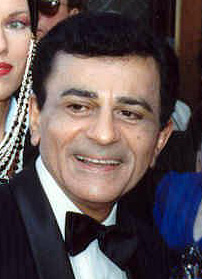
The heart of the week was the Sunday countdown, the ritual that ranked the nation's hits from 40 down to 1. Start with American Top 40 and Casey Kasem, the show that defined the format, and its famous weekly tearjerker, the Long Distance Dedication. Then meet the challenger who turned it into a two-man race, Rick Dees and his Weekly Top 40.
The DJs and the stations
Radio ran on personalities and the stations that housed them. Meet the famous DJs everyone heard and nobody saw, and the howling legend who broadcast from across the border, Wolfman Jack. Then tour the great stations: Z100 New York, worst to first in 74 days, KROQ, the station that broke the new wave, and WLS Chicago, the 50,000-watt giant of the Midwest.
The artists radio made
Some acts were radio's own children, played so relentlessly they became the sound of the decade. Read how the airwaves made Hall and Oates, how Phil Collins was on every station every hour of 1985, how Tears for Fears and Eurythmics rose from synth cult to radio kings, and how Rick Springfield, Lionel Richie, and Kool and the Gang became fixtures of the dial.
How the radio actually worked
Behind the music was a machine. Learn how Top 40 and CHR radio worked and why the same songs played over and over, and how AOR album rock radio built a different world for serious rock fans. Go deeper into how songs actually got on the radio, the branding hidden in 80s radio jingles, and the recordings that preserved it all, the aircheck.
The way we listened
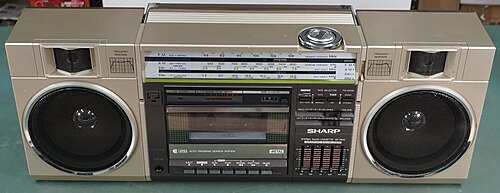
Radio was something you did, not just heard. Relive taping songs off the radio with a blank cassette and a quick finger, the agony of calling the request line, and the radio you could carry and blast in public, the boombox. And see how close the sitcom got with WKRP in Cincinnati versus real radio.
The honest bottom line
Radio in the 1980s was not the pure, free-spirited thing nostalgia makes it out to be. The playlists were tightly controlled, the countdowns padded a chart anyone could look up, and behind the scenes promoters spent fortunes buying their way onto the air. It was a business, and often a cynical one. But none of that is why people remember it so fiercely. They remember it because the radio was shared. The whole town heard the same song at the same time, waited for the same number one, knew the same voices. That collective experience is the thing the algorithm cannot give back, and it is why the sound of 80s radio still hits so hard.
FAQ
What was 80s radio like? It was the center of music culture, built on Top 40 countdown shows, personality DJs, and powerful local stations that decided what a city heard, all running on tightly controlled hit playlists.
What were the main 80s radio formats? The two biggest were CHR, or Contemporary Hit Radio, which played the top hits in tight rotation, and AOR, album-oriented rock, which played deeper album tracks for rock fans.
Who were the biggest 80s radio DJs? National names included Casey Kasem and Rick Dees on the countdown circuit, along with iconic local voices like Larry Lujack in Chicago, Scott Muni in New York, and Scott Shannon at Z100.
How did people discover new music before streaming? Mostly through the radio. Stations and DJs decided what got played, and listeners discovered songs by hearing them on the air, then taped their favorites or bought the records.
What was the most famous 80s countdown show? "American Top 40," hosted by Casey Kasem, was the defining weekly countdown, later rivaled by the "Rick Dees Weekly Top 40."
Explore the rest of the Bubble: This Week in 80s Music and 80s One-Hit Wonders.
Radio is half the reason this bubble exists.