Some bands spend a whole career chasing what these acts got in a single song. One perfect record, one moment of radio saturation, and then the charts moved on without them. But the songs did not go anywhere. Decades later a one-hit wonder can still fill a dance floor faster than the biggest star of the year, because the one hit was that good. The 80s made more of these than any decade before or since.
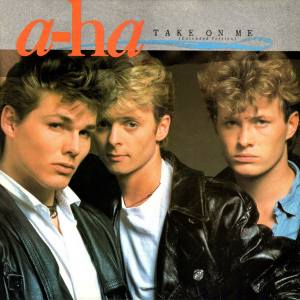
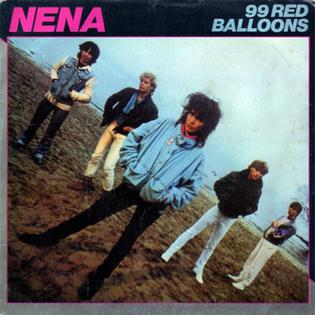
A one-hit wonder is an act remembered for a single major hit, usually defined as one song reaching the Top 40. The biggest 80s one-hit wonders include a-ha's "Take On Me," Dexys Midnight Runners' "Come On Eileen," Nena's "99 Luftballons," Soft Cell's "Tainted Love," and Tommy Tutone's "867-5309/Jenny." Many of these acts had long careers elsewhere, so most are one-hit wonders only on the American charts.
What actually counts as a one-hit wonder
The phrase sounds like an insult, but the definition is just about chart math. An act is usually called a one-hit wonder when it landed exactly one song in the Top 40 and never returned. It says nothing about talent, and often nothing about the size of the artist's real career.
That distinction matters more in the 80s than any other decade, because so many of the era's "one-hit wonders" were foreign acts who were stars at home. The American Top 40 only saw a single song, so America filed them under one-hit wonders, while their home countries knew them as major, long-running artists. Keep that in mind for almost every name on this list.
The biggest 80s one-hit wonders
Here are the songs that defined the format, each with the full story behind it.
- Take On Me by a-ha. The Norwegian trio failed twice before a re-recording and a groundbreaking animated video carried it to number one in 1985.
- Come On Eileen by Dexys Midnight Runners. The band in overalls knocked Michael Jackson's "Billie Jean" off number one for one glorious week in 1983.
- 99 Luftballons by Nena. A German-language anti-war song that American radio pushed to number two in 1984 without most listeners understanding a word.
- Tainted Love by Soft Cell. A forgotten 1964 soul B-side rebuilt into a synth-pop landmark that set a chart-longevity record.
- 867-5309/Jenny by Tommy Tutone. A made-up phone number so catchy it triggered a national wave of prank calls.
- Video Killed the Radio Star by The Buggles. The prophecy about video overtaking radio that became the very first song MTV ever played.
- We Built This City by Starship. A number one so polarizing it keeps winning worst-song-ever polls while never leaving the radio.
- Don't You Forget About Me by Simple Minds. The Breakfast Club anthem the band did not write and at first refused to record.
The ones that were never really one-hit wonders
Part of the fun is busting the label. Several acts everyone calls one-hit wonders were nothing of the sort. A Flock of Seagulls are remembered for the hair and "I Ran," but they had other charting singles and even won a Grammy. Simple Minds, a-ha, Soft Cell, Dexys, and Nena all had substantial careers outside the United States. The one-hit-wonder tag is often just a story about the limits of the American chart, not the limits of the artist.
The context behind the hits
The 80s one-hit wonder did not happen in a vacuum. A handful of forces shaped which songs blew up and stuck around, and each has its own story:
- The 12-Inch Single: why so many of these hits had a longer, better twin made for clubs and DJs.
- Banned From the Dial: the songs radio refused to play, and how the bans usually backfired into bigger hits.
- The Songs That Wouldn't Leave Number One: the era's longest chart reigns and what saturation really measured.
- The B-Sides That Refused to Stay B-Sides: the tracks buried on the flip side that outgrew the hit.
- Misheard 80s Lyrics: the words we all sang wrong because we learned them by ear off the radio.
The honest bottom line
Calling something a one-hit wonder can be lazy, and in the 80s it is often flat wrong, erasing careers that thrived everywhere except the American Top 40. The label also flattens real craft into an accident, as if lightning simply struck. But there is something worth honoring in the format too. These acts made one song so complete that it outlived their fame, their follow-ups, and sometimes their whole moment. A career of modest hits fades. One perfect song lasts forever. The 80s one-hit wonders proved that quantity was never the point.
FAQ
What are the biggest 80s one-hit wonders? Some of the most famous include a-ha's "Take On Me," Dexys Midnight Runners' "Come On Eileen," Nena's "99 Luftballons," Soft Cell's "Tainted Love," Tommy Tutone's "867-5309/Jenny," and The Buggles' "Video Killed the Radio Star."
What is a one-hit wonder? An act remembered for a single major hit, usually defined as having only one song reach the Top 40. The term describes chart performance, not talent or the artist's overall career.
Were 80s one-hit wonders really only one-hit acts? Often no. Many, like a-ha, Soft Cell, and Nena, had long, successful careers outside the United States. They are one-hit wonders mainly on the American charts, which saw only one of their hits.
What made the 80s so full of one-hit wonders? MTV and Top 40 radio could push a single striking song to massive fame very fast, and a wave of foreign acts broke through in America with one song each, so the decade produced an unusually large crop of them.
Is "We Built This City" a one-hit wonder? It is one of the most famous examples for Starship's later lineup, and it endures despite topping worst-song polls, showing that a one-hit wonder can be both mocked and permanently played.
Which 80s one-hit wonder was sung in a foreign language? Nena's "99 Luftballons," which reached number two in the US in 1984 in its original German, making it one of the very few foreign-language songs to become a major American hit.
Explore more in the 80s Radio guide and This Week in 80s Music.
One-hit is a claim, and claims get verified in this bubble.