While most of America was still deciding whether new wave was a real thing, one station in Southern California had already bet the whole house on it. KROQ played the bands nobody else would touch, the skinny-tie synth acts and the spiky-haired imports, and in doing so it became the station that decided which of them would matter. If you grew up on Depeche Mode and the Cure, you owe a debt to the Roq. Songs like Personal Jesus and Just Like Heaven landed harder because this station had spent years teaching its audience to expect them.
KROQ, billed as "the Roq of the '80s," was a Los Angeles rock station that broke new wave, punk, and alternative music in America during the 1980s. Based in Pasadena and broadcasting at 106.7 FM, it had the power to make or break new artists, championing new wave, new romantic, punk, and ska years before mainstream radio caught on. DJs like Rodney Bingenheimer and Richard Blade turned the station into a tastemaker unlike any other.
The station that made or broke bands
Most Top 40 stations followed the charts. KROQ made them. It played new and edgy bands long before they had hits, and because Los Angeles was the entertainment capital, a song breaking on KROQ could ripple out across the whole country. The station backed new wave, new romantic, punk, rockabilly, and ska when the rest of the dial considered them commercial poison, and it turned out KROQ was simply early.
That gave it an outsized power. For a band trying to break in America in the early 1980s, getting played on KROQ was a launching pad, and the station knew it. It was not chasing the mainstream. It was building the thing the mainstream would eventually copy.
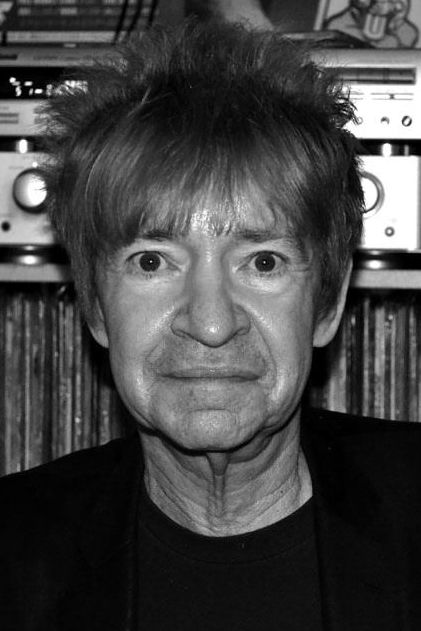
Rodney on the ROQ
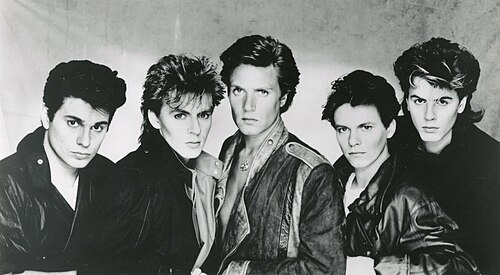
The purest expression of that instinct was "Rodney on the ROQ," the show hosted by Rodney Bingenheimer, which ran on the station for decades. Bingenheimer had a near-supernatural ear for what was coming next. He was frequently the first American DJ to play artists who would become enormous, spinning early records by Blondie, the Ramones, the Sex Pistols, Duran Duran, and many others before anyone else in the country would.
Bingenheimer came out of the Los Angeles rock scene, having run the glam nightclub Rodney's English Disco, and he carried that insider's nose for talent onto the air. His show was where a certain kind of band got its first American exposure, which made him one of the most quietly influential people in music.
The voices of the new wave generation
If Rodney found the bands first, other KROQ DJs carried them to the wider audience. Richard Blade became the voice of the new wave generation in Los Angeles, heard in the high-traffic time slots, the DJ most listeners associated with the station's signature sound. He had arrived in 1982 after working his way up through smaller California stations, and quickly became central to the station.
Around him was a whole cast, including Jed the Fish, the long-running weekday drive host who championed bands like Devo and Oingo Boingo, along with names like Freddy Snakeskin and the Poorman. Together they gave KROQ a personality that felt less like a radio station and more like a clubhouse for the music the rest of the dial was afraid of.
The honest bottom line
It is easy to romanticize KROQ as a pure labor of love, and there was real passion in it, but it was still a commercial radio station chasing an audience, and its taste hardened into its own kind of gatekeeping. Getting on KROQ mattered so much that the station effectively decided which alternative bands got a shot in America, and plenty of worthy acts never got the nod. That is a lot of power for one station's ears. But the ears were good. KROQ bet early and often on music the mainstream dismissed, and it was right so consistently that it changed what American radio would sound like for the next decade. Being ahead of everyone is not a small thing to be.
FAQ
What was KROQ in the 80s? KROQ was a Los Angeles rock station, billed as "the Roq of the '80s," that broke new wave, punk, and alternative music in America, playing edgy new bands years before mainstream radio.
Why was KROQ so influential? Because it played new and unproven bands early, and because it broadcast from Los Angeles, a song breaking on KROQ could spread nationally. The station effectively decided which new acts got a shot.
Who was Rodney Bingenheimer? Rodney Bingenheimer hosted "Rodney on the ROQ" and was often the first American DJ to play future stars like Blondie, the Ramones, the Sex Pistols, and Duran Duran.
Who was Richard Blade? Richard Blade was a KROQ DJ who became the voice of the new wave generation in Los Angeles, heard in the station's high-traffic time slots during the 1980s.
What kind of music did KROQ play? KROQ played new wave, new romantic, punk, rockabilly, and ska, championing alternative music long before it crossed over to mainstream radio.
Station histories get the archive treatment, standard practice.
Part of 80s Radio. Read next: AOR album rock radio.