Most people's clearest picture of what a radio station looked like on the inside did not come from a radio station. It came from a television sitcom, "WKRP in Cincinnati," with its burnt-out DJ, its clueless owner, its polyester salesman, and its news director obsessed with a hog report. The funny part is how much the show actually got right. Real radio people watched it and recognized their own lives.
"WKRP in Cincinnati" was a CBS sitcom that ran from 1978 to 1982 about the staff of a struggling fictional radio station. Disc jockeys immediately praised it as the first show to portray the radio business realistically. Creator Hugh Wilson based it on time he spent observing a real Top 40 station, and the characters, the office politics, and the constant fight for ratings and ad money rang true to people who actually worked in radio.
What the show got right
The premise itself was true to life: a failing station changes format to survive. In the pilot, WKRP flips to rock and roll in a desperate bid for ratings, which was exactly the kind of gamble struggling stations made all the time. Formats changed, staffs got shuffled, and everyone's job depended on numbers they could not fully control. That anxiety, the sense of a small business always one bad ratings book from disaster, was the real texture of the industry, and the show lived in it.
The characters were drawn from real radio types. Creator Hugh Wilson built the show from time he spent hanging around a Top 40 station in Atlanta, and it showed. The washed-up-but-brilliant DJ, the smooth-voiced overnight man, the blustering owner, the desperate ad salesman: anyone who had worked in radio had met all of them.
The people who felt real
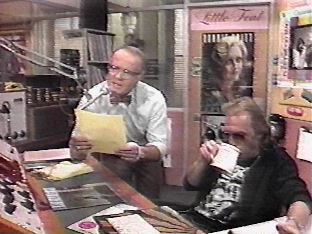
The burnt-out morning DJ, Dr. Johnny Fever, was not invented from nothing. He was based on a real Atlanta disc jockey, and his weary, subversive charm captured a genuine radio archetype: the talented veteran who had been through too many format changes and station politics to take any of it too seriously. Real DJs saw themselves in him.
Around him the ensemble filled out the rest of a real station. There was the slick evening DJ Venus Flytrap, the earnest news director Les Nessman, the fumbling owner Arthur Carlson, the shameless sales guy Herb Tarlek, and the front-office staff who actually held the place together. It was a workplace comedy, but the workplace was rendered with enough accuracy that the jokes landed harder for people who lived it.
Where the sitcom bent the truth
Of course it was still a comedy, and comedy compresses and exaggerates. The real day-to-day of a radio station was less madcap and more tedious than the show, full of paperwork, sales calls, and long stretches of routine. An actual DJ spent a shift running a tight playlist, hitting the posts, reading the liners, doing the traffic and weather, and talking up song intros without stepping on the vocals, mostly alone in a small room. The constant hijinks of the WKRP bullpen were the fun version.
The show also gave its DJs more freedom than most really had by the 1980s, when tightly controlled playlists left little room for a DJ to just play what they liked. WKRP's staff felt like a family running the place on instinct. Real stations were increasingly run by consultants, program directors, and research.
The honest bottom line
WKRP was a sitcom, so judging it as a documentary misses the point, and no, a real station was not that constantly funny or that loosely run. The show romanticized the DJ's freedom and cranked up the chaos for laughs. But within those limits it was startlingly honest about the thing that actually defined radio: it was a hard, precarious business, staffed by oddballs and true believers, always scrambling for ratings and ad dollars, always one format change from chaos. Real radio people loved it because it took their world seriously enough to make it funny without making it fake. That is a rare thing for television to pull off, and it is why the show still feels like the truest picture of a radio station most people got. The real version of that world is where songs like Hungry Heart fought for airtime and Born in the U.S.A. got misread by program directors who heard an anthem where Springsteen wrote a protest.
FAQ
Was WKRP in Cincinnati realistic? Unusually so for a sitcom. Real disc jockeys praised it as the first show to portray the radio business realistically, from its format-change premise to its recognizable station characters.
What was WKRP in Cincinnati about? It was a CBS sitcom, running from 1978 to 1982, about the staff of a struggling fictional radio station that switches to a rock format to survive.
Was Dr. Johnny Fever based on a real DJ? Yes. The character of Dr. Johnny Fever was based on a real Atlanta disc jockey, and he captured the archetype of the talented, world-weary radio veteran.
What did a real 80s DJ actually do? A real DJ ran a tight playlist mostly alone, introducing songs without talking over the vocals, reading liners, and handling traffic and weather, with far less freedom than the show's DJs appeared to have.
Who created WKRP in Cincinnati? Hugh Wilson created the show, basing it on time he spent observing a real Top 40 radio station in Atlanta, which is part of why it felt so true to industry insiders.
TV radio versus real radio, judged by people who listened.
Part of 80s Radio. Read next: how songs actually got on the radio.