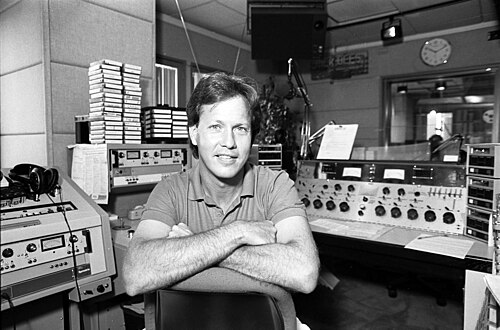
Here is the strange thing about the biggest radio stars of the 1980s: you would not have known most of them if they sat down next to you. You knew the voice cold, the exact timbre of the person who woke you up or drove you home, but the face was a blank. That was the deal with radio. The DJ was enormous and invisible at the same time, and a handful of them ran the whole decade from behind a microphone nobody ever saw.
The biggest radio DJs of the 1980s included Casey Kasem, whose "American Top 40" countdown ran nationally; Rick Dees, who dominated Los Angeles mornings on KIIS-FM and hosted a rival syndicated countdown; and iconic local voices like Larry Lujack in Chicago, Scott Muni in New York, and Scott Shannon, whose Z100 Morning Zoo took a New York startup from worst to first. Some were national brands, others owned a single city, but all of them were voices without faces.
The national voices
Casey Kasem was the closest thing radio had to a household name. His "American Top 40" counted down the Billboard Hot 100 every week and reached hundreds of stations, which meant that on any given Sunday, a huge share of the country was listening to the same man count backward from 40. He was national in a way almost no local DJ could be.
Rick Dees was the other giant, and he came at it from two directions. He took over mornings at KIIS-FM in Los Angeles in July 1981 and turned it into the highest-earning station in the country, then launched his own syndicated countdown, "Rick Dees Weekly Top 40," to compete directly with Kasem. For most of the decade, if you were listening to a countdown on Sunday, it was one of those two men, quietly at war for the same audience.
And behind both of them, still, was Wolfman Jack, whose gravelly howl had been syndicated across the country since the 1960s and remained one of the most recognizable voices in America.
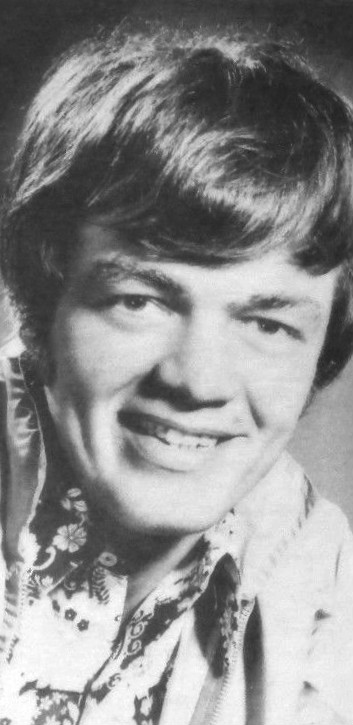
The kings of their cities
For every national name, there was a local DJ who owned a single market so completely that leaving town felt like losing a friend. In Chicago that was Larry Lujack, the self-styled "Superjock" on WLS, whose sarcastic, world-weary morning voice made him a legend. His "Animal Stories" segment, in which he read absurd wildlife news with his sidekick Tommy Edwards, was so beloved that a young David Letterman, growing up in Indiana, listened every morning. Letterman later credited it as an inspiration for his own "Stupid Pet Tricks."
In New York, Scott Muni was "The Professor," the deep-voiced afternoon anchor of WNEW-FM who had helped invent album rock radio and spent the decade interviewing the biggest names in music. He was the guy who actually knew Paul McCartney and Pete Townshend, and he carried that authority in every word.
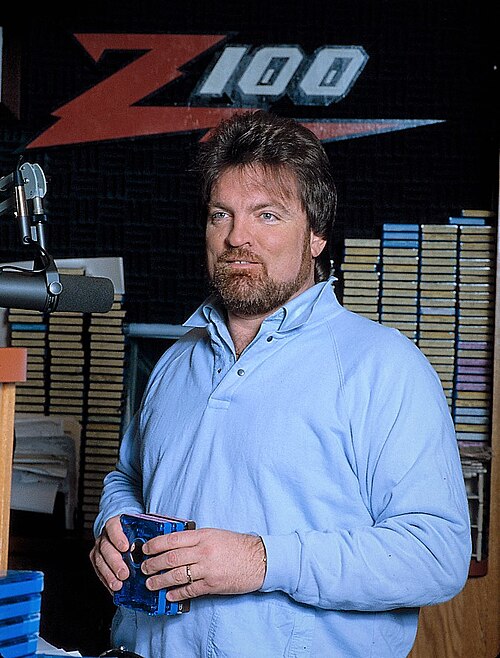
Also in New York, and pulling in a completely different crowd, was Scott Shannon. In 1983 he brought his high-energy Morning Zoo format to a brand-new station, WHTZ, better known as Z100. The station had signed on in last place. Within 74 days it was the top-rated FM station in New York, a "worst to first" run that became radio legend and made Shannon the face, or rather the voice, of a whole new style of morning radio.
Why you never saw them
The invisibility was the point. Radio worked on the imagination. When Casey Kasem read a Long Distance Dedication or Larry Lujack sneered through an Animal Story, you built the whole scene in your head, and the DJ became whoever your mind decided he was. A face would only have gotten in the way. These were people whose entire fame rested on sound, on timing, on the specific way they said good morning, and they were superstars to millions of people who would not have recognized them in a grocery store.
The honest bottom line
Radio fame was fragile and strange. A DJ could be the most important voice in a city and still be one contract dispute away from vanishing, replaced by a stranger who sounded almost the same. The medium did not build the kind of permanent celebrity that television did, and most of these names mean nothing to people born after the format faded. But that is also what made them special. For a decade, these voices were woven into the daily lives of millions of people who never saw a single face, and that intimacy is something television never quite managed.
FAQ
Who were the biggest radio DJs of the 80s? The biggest included Casey Kasem and Rick Dees on the national countdown circuit, and iconic local voices such as Larry Lujack in Chicago, Scott Muni in New York, and Scott Shannon at Z100.
Who was the highest-rated morning DJ in the 80s? Rick Dees dominated mornings at KIIS-FM in Los Angeles after taking over in July 1981, turning it into the highest-earning radio station in the country.
Who was Larry Lujack? Larry Lujack was the "Superjock" of WLS in Chicago, known for his sarcastic delivery and the "Animal Stories" segment that inspired David Letterman's "Stupid Pet Tricks."
What was Scott Shannon known for? Scott Shannon brought the Morning Zoo format to Z100 in New York in 1983 and helped take the station from worst to first in New York ratings within 74 days.
Why didn't people know what radio DJs looked like? Radio was a sound medium built on the listener's imagination. A DJ's fame rested entirely on their voice and personality, so most listeners never saw the faces behind the voices they knew best.
DJ legends get their facts straight in the bubble.
Part of 80s Radio. Read next: Z100 New York, worst to first.