Nothing made a song more interesting than being told you could not hear it. When a DJ announced on air that he would not play a record, every teenager in earshot went hunting for it that afternoon. The 80s had a run of these moments, songs that got yanked, restricted, or shamed by the people who controlled the airwaves, and almost every time the ban backfired into a bigger hit.
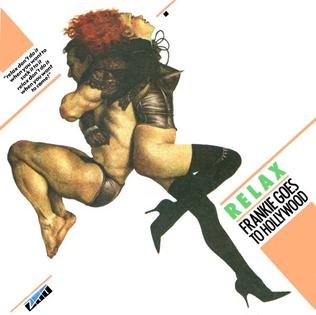
The most famous banned song of the 80s was "Relax" by Frankie Goes to Hollywood. On January 11, 1984, BBC Radio 1 DJ Mike Read refused to play it on air over its suggestive lyrics, and the BBC imposed a full ban. Within weeks the record began a five-week run at number one in the UK. Bans in the 80s came from broadcasters worried about sex, and they usually made the songs bigger, not smaller.
Relax: the ban that built a number one
"Relax" had come out in November 1983 and spent weeks going nowhere in the lower reaches of the chart. Then a Top of the Pops appearance on January 5, 1984 sent it soaring to number six, and Mike Read, mid-show on January 11, condemned it on air and pulled it, objecting to the suggestive sleeve and lyrics. The BBC followed with a complete ban across its radio and television.
The effect was the opposite of silence. On the chart dated January 28, 1984, "Relax" began a five-week run at number one in the UK, replacing Paul McCartney's "Pipes of Peace" at the top, and went on to sell a reported two million copies in Britain. The ban became the best advertising the record could have bought. Frankie Goes to Hollywood turned the controversy into an entire identity, and the "Frankie Say" slogan T-shirts became a fashion of the year.
I Want Your Sex: banned in the age of AIDS
Three years later, George Michael ran into a different kind of wall. "I Want Your Sex," released in 1987 as the first single from his album Faith, landed in the middle of the AIDS crisis, and broadcasters panicked. The BBC restricted it to airplay after 9 p.m., the post-watershed slot, worried the title and lyrics promoted promiscuity at exactly the wrong moment. Many US radio stations simply refused to play it.
George Michael pushed back publicly, arguing the song was about attaching lust to love and monogamy, not casual sex, and that the AIDS campaign had wrongly split love from sex. The restrictions did not stop it. The single reached number two on the US Billboard Hot 100. Once again, the thing meant to bury a song helped carry it.
America's different weapon: the sticker, not the ban
The United States mostly fought this war with a label instead of a ban. In 1985 a group called the Parents Music Resource Center, led by four politically connected women including Tipper Gore, wife of Senator Al Gore, put together a list of songs they found offensive, the so-called Filthy Fifteen. Prince's "Darling Nikki" topped it, the song Tipper Gore has said she heard her daughter playing. The list mixed pop names like Madonna and Cyndi Lauper with heavy metal acts.
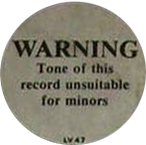
It came to a head in a Senate hearing on September 19, 1985, where John Denver, Dee Snider of Twisted Sister, and Frank Zappa testified against the effort. The result was not a broadcast ban but the "Parental Advisory: Explicit Lyrics" sticker, which record companies agreed to add to albums. American gatekeeping pushed the fight onto the album cover rather than the radio dial.
The honest bottom line
The bans of the 80s were often clumsy, occasionally hypocritical, and almost never effective at their stated goal. A DJ refusing to play a record just told everyone which record to go buy, and the parental sticker became a badge kids sought out rather than avoided. There is a real argument buried in all of it about what belongs on public airwaves during family hours, and the AIDS-era caution around "I Want Your Sex" was not cynical. But as censorship, it failed almost every time. The surest way to make an 80s song immortal was to tell people they were not allowed to hear it.
FAQ
Why was "Relax" banned? BBC Radio 1 DJ Mike Read and then the BBC objected to the song's sexually suggestive lyrics and refused to play it starting January 11, 1984. The full BBC ban did not stop it from becoming a five-week UK number one.
Did banning "Relax" hurt the song? No, it helped enormously. The record was at number six when the ban landed, and within weeks it was number one, where it stayed for five weeks, eventually selling around two million copies in the UK alone.
Which George Michael song was banned? "I Want Your Sex," released in 1987. The BBC restricted it to after 9 p.m. and many US stations refused to air it, over concerns about promoting promiscuity during the AIDS epidemic. It still reached number two in the US.
What was the Filthy Fifteen? A 1985 list of fifteen songs the Parents Music Resource Center found objectionable, topped by Prince's "Darling Nikki." It led to the Senate "porn rock" hearing and the Parental Advisory sticker rather than a radio ban.
Did the US ban songs from the radio in the 80s? Less than Britain did. The main American response was pressure and the Parental Advisory label on albums, though individual stations chose not to play certain songs like "I Want Your Sex."
Why did bans usually make songs more popular? Because a public ban told listeners exactly what they were missing and made the song feel dangerous and desirable. Curiosity and defiance drove sales, so the controversy often worked as free promotion.
Part of our guide to 80s One-Hit Wonders. See also Tainted Love.
Banned-song lore attracts myths, we filter them out.