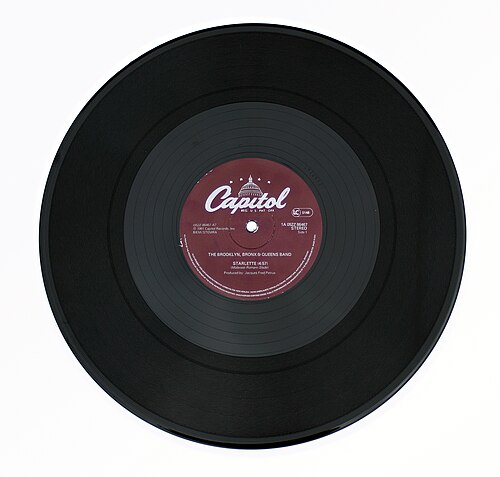
You had the 45 you taped off the radio, and then one day at the record store you found the same song sitting in a sleeve twice the size, and it was different. Longer. Louder. There was a whole middle section the radio never played, a breakdown that stripped the song to its heartbeat and then built it back up. That bigger record was the 12-inch single, and for a lot of 80s songs, it was the better version.
A 12-inch single is a vinyl record the size of an album but holding one song, usually in an extended or remixed form. The larger disc allows wider, deeper grooves, which let the song play louder and longer with more clarity than a small 7-inch 45. It was invented in the 1970s, and by the 1980s the extended 12-inch mix was a standard second life for nearly every dance and pop hit.
The format born from a mistake
The 12-inch single was an accident. In 1974, mix engineer Tom Moulton needed a Friday-night test copy of a remix he had made of Al Downing's "I'll Be Holding On," and mastering engineer Jose Rodriguez could not find any of the small 7-inch blank discs they normally cut test copies on. The only blank at hand was a larger 10-inch disc. When they cut the song onto it, the music took up only a small band of grooves and left a lot of empty space.
So they spread the grooves out across the whole disc and pushed the levels up, and the record came back noticeably louder and cleaner. Moulton had stumbled onto a simple truth of vinyl: give a song more physical room and you can make it hit harder. The discovery soon settled onto the album-sized 12-inch disc, and that accident made him the father of the extended dance mix.
Why bigger grooves sound better
The physics are straightforward once you see them. On a 7-inch 45, a whole song has to be squeezed into a few inches of grooves, so the grooves are packed tight and shallow, which limits how loud and clean the record can get. Spread that same song across a 12-inch disc and the grooves get wider and deeper. A wider groove can swing harder without distorting, which is why a 12-inch could run up to several decibels louder than the 45 of the same track.
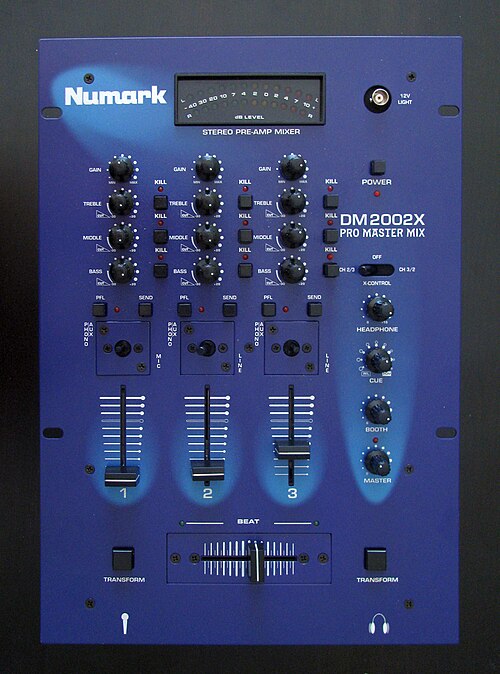
For a DJ, that loudness and clarity mattered enormously. A record that hit harder on a club system, held its low end, and gave you a long intro and outro to mix in and out of was a working tool, not just a keepsake.
From disco floors to the 80s dial
The first commercial 12-inch single was Double Exposure's "Ten Percent," released by Salsoul Records in May 1976, with a disco mix that stretched close to ten minutes. Record stores had been begging for official versions of the special promo discs DJs were already trading, and the format took off.
By the 80s it was everywhere and no longer just a disco thing. New wave, synth-pop, and mainstream pop all got extended 12-inch mixes, often with new sections, longer instrumental breaks, and remixed arrangements. Soft Cell's 12-inch of "Tainted Love," for example, does not simply end where the radio edit does; it slides straight into a cover of the Supremes' "Where Did Our Love Go," giving you a longer, seamless version the radio never touched. That extra material is exactly the kind of thing a serious 80s music library is built to hold.
The honest bottom line
Most people never needed the 12-inch. The radio edit was shorter, tighter, and made for the three minutes a station could give a song, and for the casual listener that was plenty. The extended mix could sag, pad a thin idea, or wander through a breakdown nobody asked for. But for the songs that had more to give, the 12-inch was where they gave it, and it is where the real texture of 80s dance and pop lives. The 45 was the hit. The 12-inch was the whole thing.
FAQ
What is a 12-inch single? It is a vinyl record the size of an album but containing a single song, usually in an extended or remixed version. The large disc allows wider grooves, so the song plays louder, longer, and with more clarity than a standard 7-inch 45.
Why were 12-inch singles louder than 7-inch singles? Because spreading one song across a bigger disc lets the grooves be wider and deeper. Wider grooves can carry a stronger signal without distorting, so a 12-inch could play several decibels louder than the 45 of the same song.
Who invented the 12-inch single? Engineer Tom Moulton, along with mastering engineer Jose Rodriguez, discovered the format by accident in 1974 after running out of 7-inch blanks and cutting a test copy onto a larger blank disc. The louder, wider-groove result soon standardized on the 12-inch.
What was the first 12-inch single? The first commercial 12-inch single was Double Exposure's "Ten Percent," released by Salsoul Records in May 1976, featuring a disco mix running close to ten minutes.
Why did 80s songs have extended versions? The extended 12-inch mix gave DJs longer intros and outros to mix with and gave fans a bigger version of a favorite song, often with new sections and instrumental breaks the radio edit left out.
Are 12-inch mixes different from the radio version? Often yes. Beyond just being longer, many 12-inch mixes are remixed, with rearranged parts, added breakdowns, or even segues into other songs, making them a genuinely different listen from the single edit.
Part of our guide to 80s One-Hit Wonders. See also Tainted Love.
Every mix fact here got checked before it entered the bubble, house policy.